
Mounting and contact
Show whether the probe uses a thread, bayonet, spring fitting or another mounting method. Provide insertion length, diameter, contact geometry and access for fitting or replacement.
INDUSTRIAL COMPONENTS · CUSTOM SPECIFICATIONS
Type J thermocouples use an iron and copper-nickel thermoelectric pair with a compatible instrument and extension system. The probe assembly must also fit the measurement point, mounting and process environment.
Show whether the probe uses a thread, bayonet, spring fitting or another mounting method. Provide insertion length, diameter, contact geometry and access for fitting or replacement.
Specify the junction style, sheath or protection tube, response requirement and medium. Include atmosphere, moisture exposure and continuous or intermittent duty for construction review.
Confirm the Type J input, extension or compensating cable, connector polarity and lead length. Include grounding or isolation requirements and the measuring range.
The Type J designation does not establish a universal operating limit for every probe. Confirm the sheath, junction, insulation and environment. Changing to Type K or an RTD requires review of the instrument and the complete measurement chain.
COMPARE EXISTING CONFIGURATIONS
Use the instrument input together with the existing probe or equipment drawing. A matching Type J designation alone does not establish a mechanically equivalent replacement.
| Selection | What to specify | View catalog configurations |
|---|---|---|
| Extruder sensing point | Locate the probe port relative to the controlled heating zone. | |
| M6 screw connection | Confirm thread pitch, seating face and installed insertion. | |
| Spring-adjustable or bayonet mounting | Provide the mating fitting, adjustment, engagement and spring space. | |
| General Type J references | Compare each drawing and connection; catalog wording does not prove interchangeability. |
Send the selected catalog reference with your drawing and operating requirements. Final construction, ratings and availability are agreed in the quotation.
CATALOG CONFIGURATIONS
These 12 selected configurations are a starting point for specification review. Confirm the exact construction, ratings and availability in your quotation.
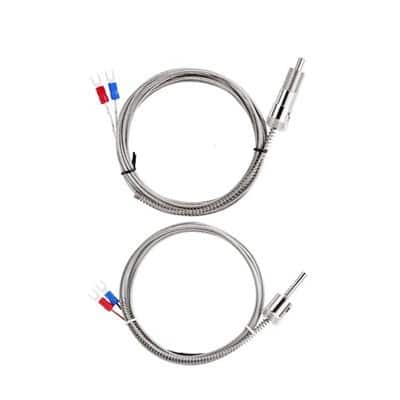
Review the configuration and confirm your required specification.
View product →
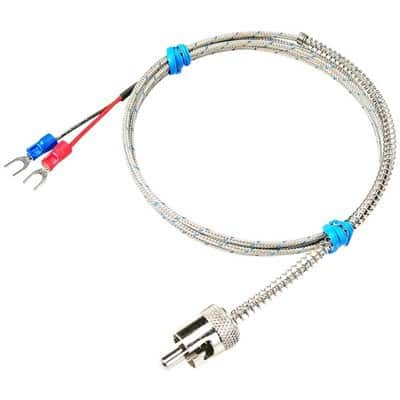
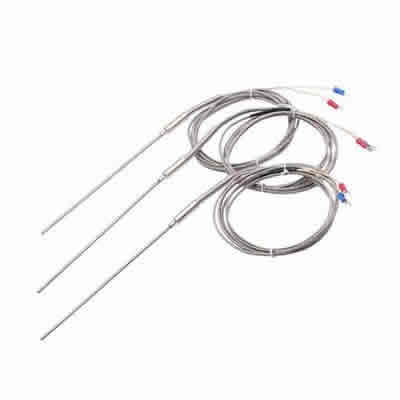
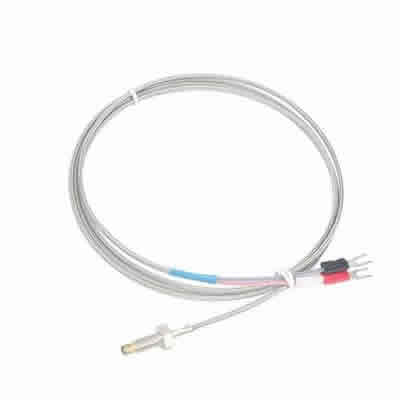
Review the configuration and confirm your required specification.
View product →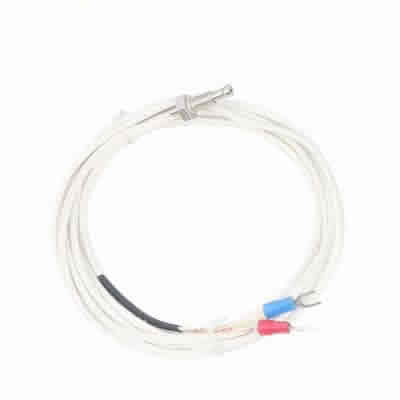
Review the configuration and confirm your required specification.
View product →
Review the configuration and confirm your required specification.
View product →
Review the configuration and confirm your required specification.
View product →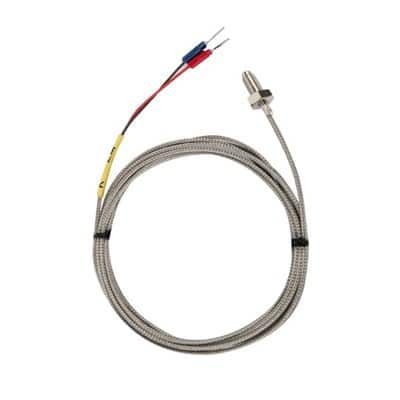
Review the configuration and confirm your required specification.
View product →
Review the configuration and confirm your required specification.
View product →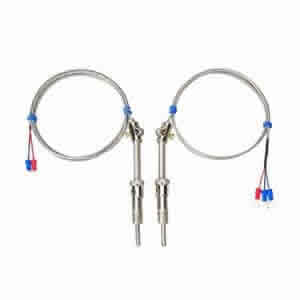
Review the configuration and confirm your required specification.
View product →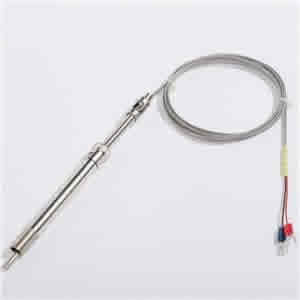
Review the configuration and confirm your required specification.
View product →SPECIFICATION QUESTIONS
A photograph helps identify the construction, but provide the cap or fitting dimensions, spring and insertion lengths, probe diameter, leads and measuring conditions as well.
The thermoelectric characteristics differ. Select the correct instrument input and matching connection system for the specified thermocouple type.
Provide the thread, probe dimensions, measuring point, working range, medium, junction requirements and lead exit. Include any accuracy or documentation requirement.
ENGINEERING QUOTATION
Share what you know now; missing details can be discussed with our team. A drawing or photo can be attached after your WhatsApp or email app opens.
Preparing a message opens your own WhatsApp or email app. You decide whether to send it.