
VERSATILE FORMED ELEMENTS
Tubular Element Heaters
Tubular Element Heaters by LICHENGDA. Formed geometry and sheath loading, configuration details and made-to-drawing quotation for process equipment and formed heating assemblies.
Product image gallery (7)
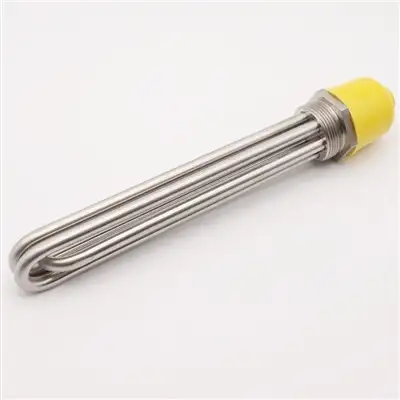
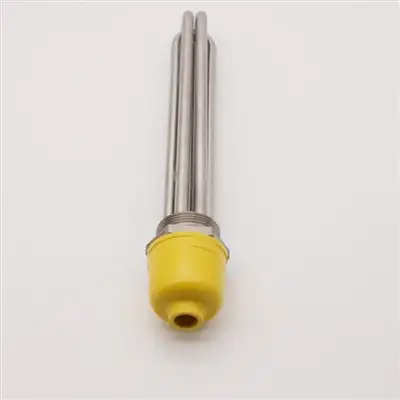
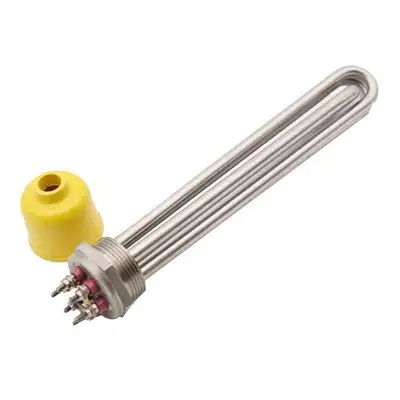
PRODUCT ENGINEERING
Formed geometry and sheath loading
Tubular Element Heaters: Review the complete formed outline against the available space and the heating medium. Bend radius, cold ends and terminal orientation need to be fixed before the tube is formed.
Choose the sheath for corrosion exposure and operating temperature. Support long spans and allow thermal expansion rather than forcing the element into an undersized mounting path.
For Tubular Element Heaters, request the missing voltage, power and finished dimensions before calculating current, selecting a supply or fixing the mounting pattern.
For Tubular Element Heaters, send the supply, continuous and peak temperature, mounting drawing, lead exit and quantity. Include the heated medium and control method so the quoted configuration can be checked against the actual duty.
Application and reference configuration
Process equipment and formed heating assemblies. The final suitability of Tubular Element Heaters depends on the assembled equipment and agreed operating conditions.
Archived figures below describe reference options or a product series. Confirm the exact model specification in the quotation.
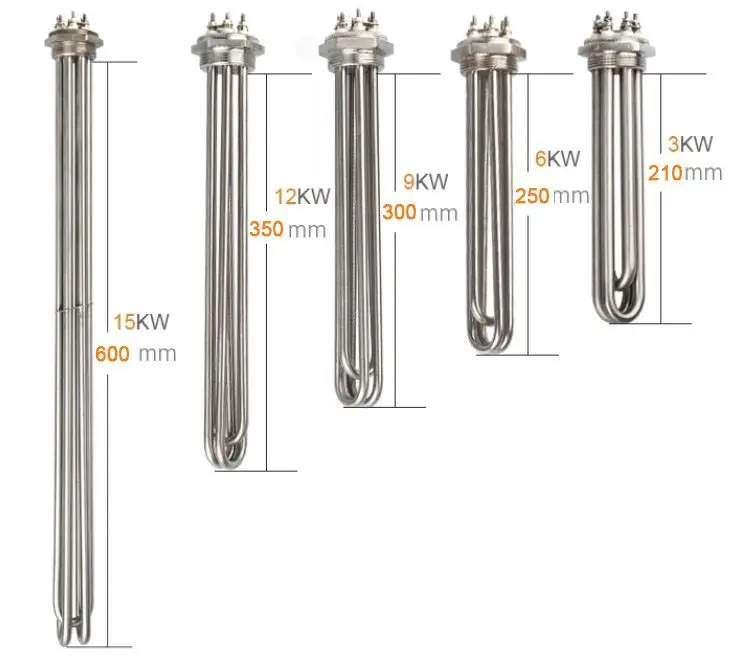
| 220V 3KW | 210mm |
|---|---|
| 220V 6KW | 250mm |
| 220V 9KW | 300mm |
| 220V 12KW | 350mm |
| 220V 15KW | 600mm |
ARCHIVED PRODUCT INFORMATION
Description
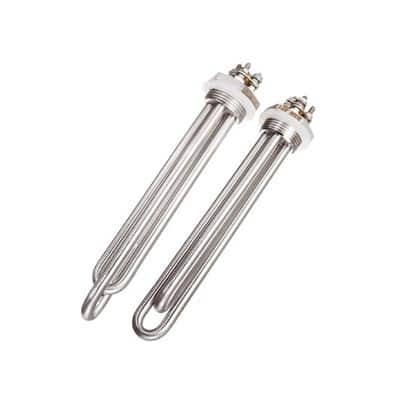
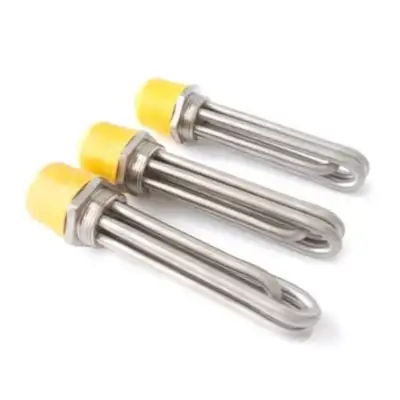
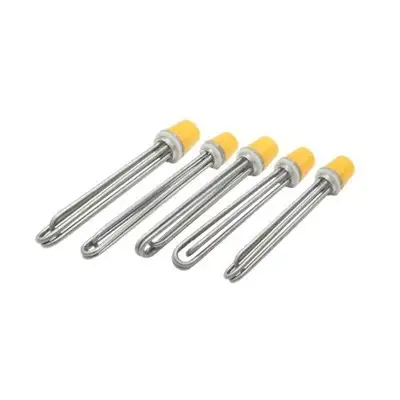
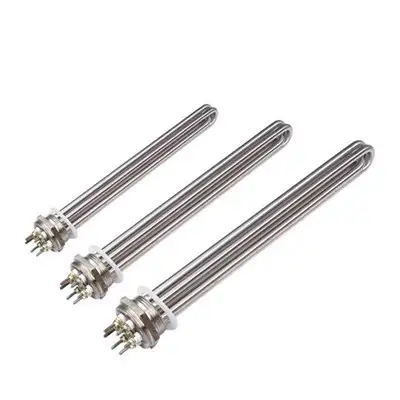
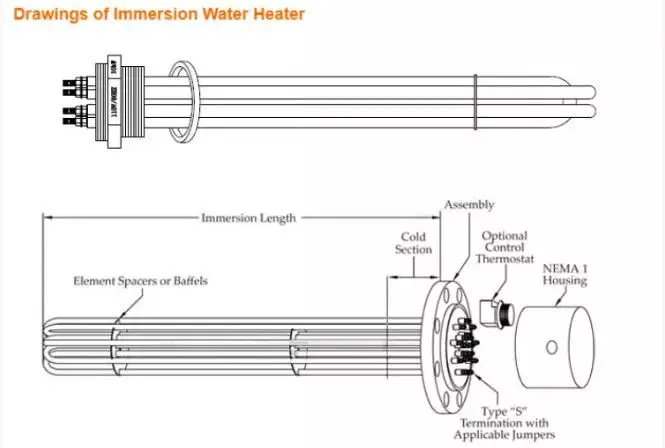
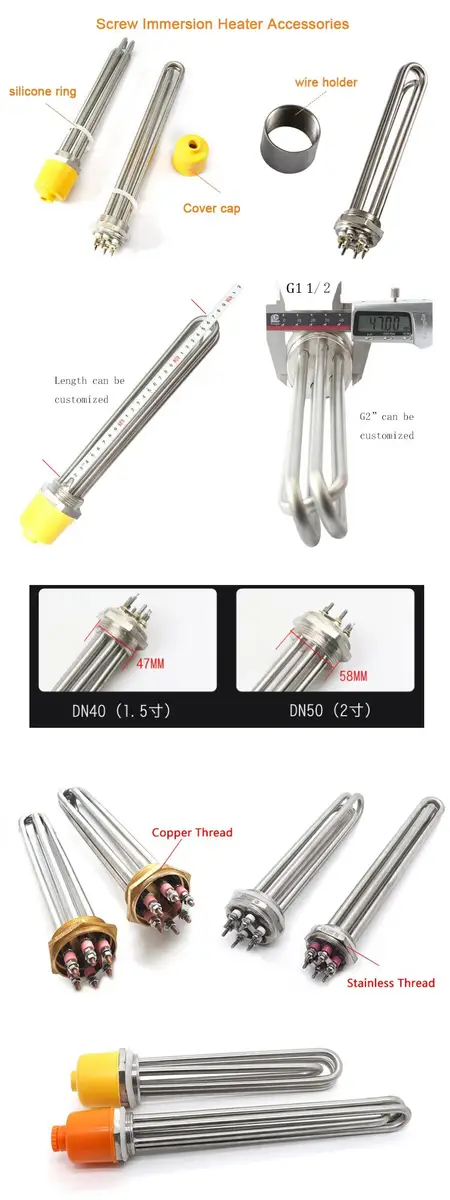
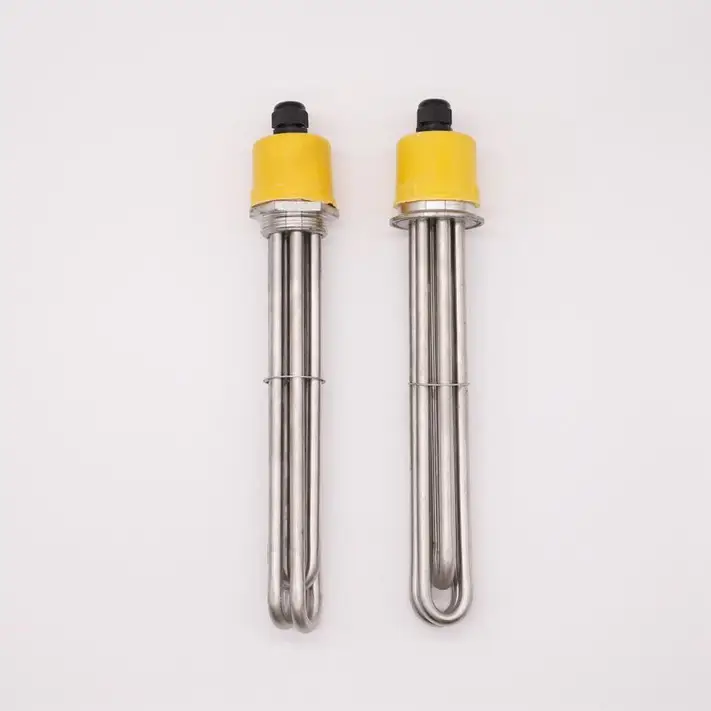
Screw Plug Immersion Heaters are screwed directly through a threaded opening in a tank wall or through a matching pipe coupling or half coupling. Sizes of screw plug heaters are available with 1”, 1-1/4”, 1-1/2”, 2”, 2-1/2" pipe threads. A wide selection of screw plug sizes, kilowatt ratings, voltages, sheath materials,terminal enclosures and thermostats makes these compact heaters ideal for all types of applications.
| Voltage/Power | Tube length |
DN40( Dia 47mm) DN50( Dia 58mm) |
| 220V 3KW | 210mm | |
| 380V 3KW | ||
| 220V 6KW | 250mm | |
| 380V 6KW | ||
| 220V 9KW | 300mm | |
| 380V 9KW | ||
| 220V 12KW | 350mm | |
| 380V 12KW | ||
| 220V 15KW | 600mm | |
| 380V 15KW |
Uniform heating, high thermal efficiency, rapid heating, rapid heat conduction, seamless steel pipe,
corrosion and rust resistance
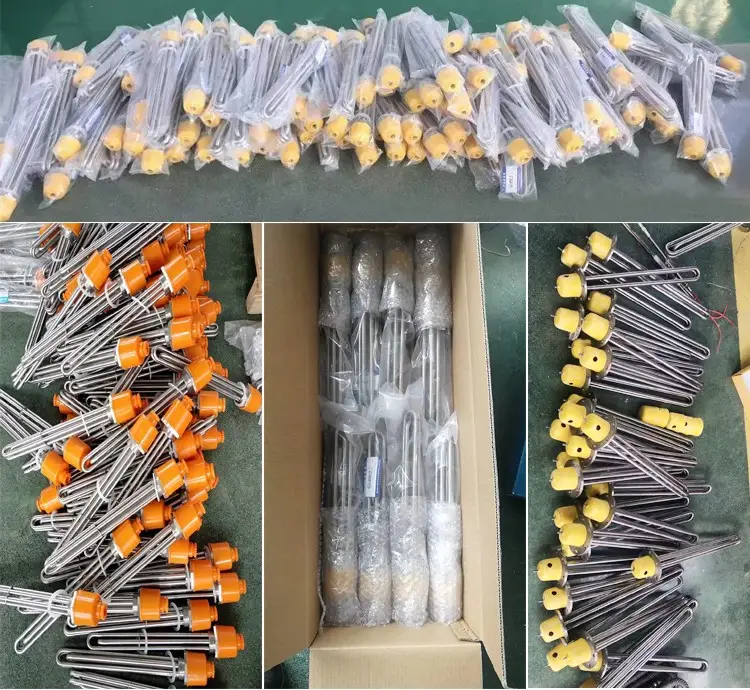
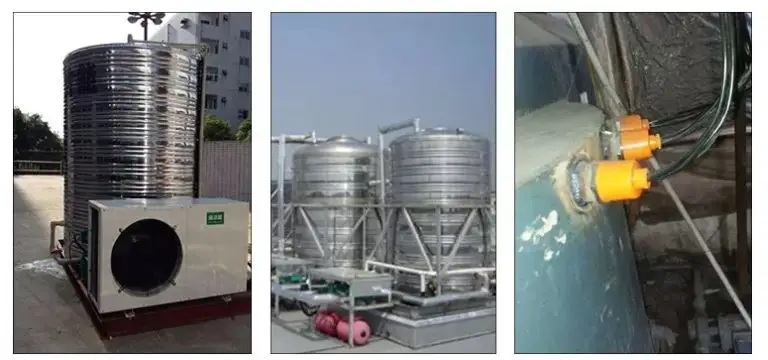
immersion heateris an electric heating element that is designed to be immersed in a liquid, such as water or oil, to heat it up. It is typically used in household water heating systems, such as in hot water tanks or boilers, or in industrial processes where liquids need to be heated for various purposes.
The immersion heater consists of a heating element, usually made of a metal alloy such as copper or stainless steel, which is insulated from the surrounding liquid by a sheath or tube made of a material that is resistant to corrosion and heat. The heating element is connected to an electrical power supply via a cable, and when the power is switched on, the element heats up and begins to transfer heat to the surrounding liquid.
Immersion heaters are available in a variety of sizes and power ratings, depending on the application requirements. They are typically controlled by a thermostat or a temperature sensor, which monitors the temperature of the liquid and switches the heater on or off to maintain the desired temperature.
Immersion heaters are easy to install and maintain, and they are a popular choice for heating water in households and in industrial processes where a continuous supply of hot water is required. However, they can be expensive to run if used continuously, and care should be taken to ensure that they are properly installed and used in a safe manner to avoid the risk of electric shock or fire.
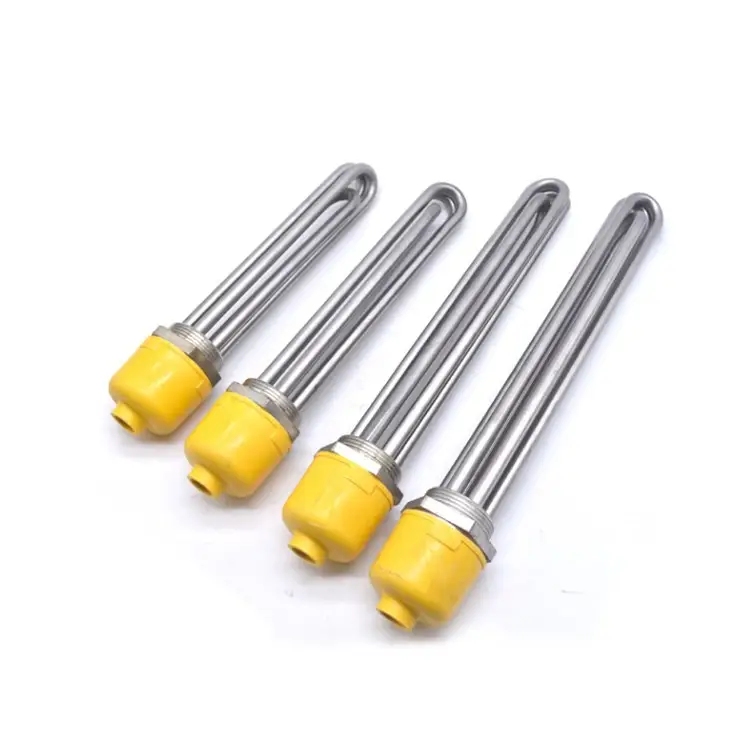
immersion heater consists of a heating element, usually made of a metal alloy such as copper or stainless steel, which is insulated from the surrounding liquid by a sheath or tube made of a material that is resistant to corrosion and heat. The heating element is connected to an electrical power supply via a cable, and when the power is switched on, the element heats up and begins to transfer heat to the surrounding liquid.
Immersion heaters are available in a variety of sizes and power ratings, depending on the application requirements. They are typically controlled by a thermostat or a temperature sensor, which monitors the temperature of the liquid and switches the heater on or off to maintain the desired temperature.
Immersion heaters are easy to install and maintain, and they are a popular choice for heating water in households and in industrial processes where a continuous supply of hot water is required. However, they can be expensive to run if used continuously, and care should be taken to ensure that they are properly installed and used in a safe manner to avoid the risk of electric shock or fire.
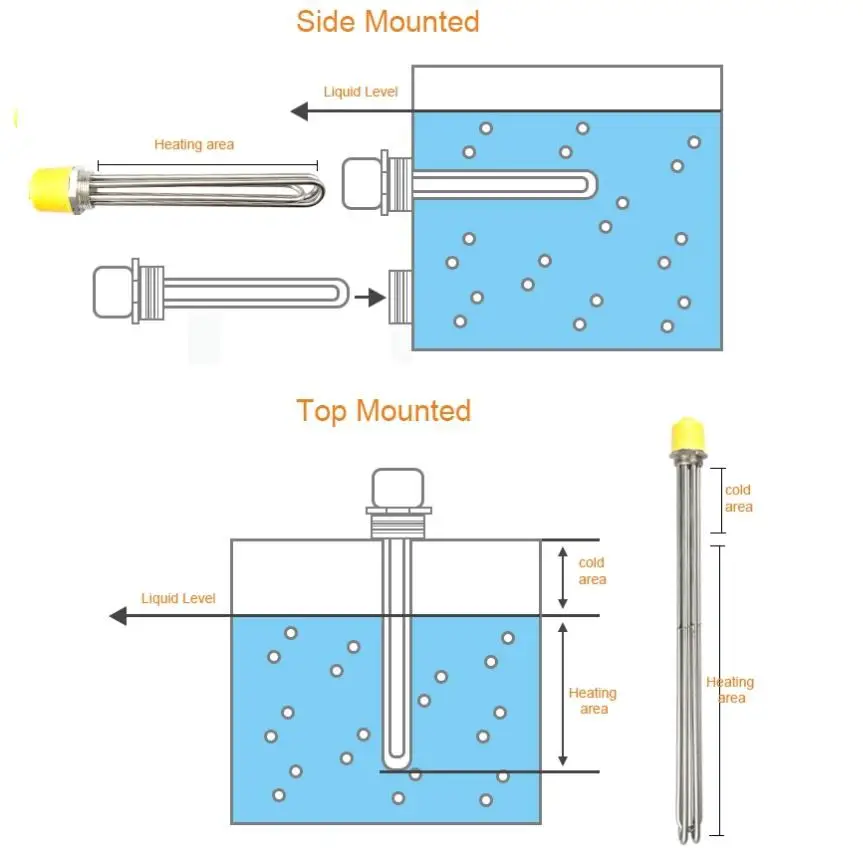
Uniform heating, high thermal efficiency, rapid heating, rapid heat conduction, seamless steel pipe,
corrosion and rust resistance
Company profile

Hot Tags: tubular element heaters, China, manufacturers, suppliers, factory, wholesale, customized, cheap, in stock, free sample, Water Tubular Brass Copper Heating Element, W Type Air Finned Tubular Heater, Stainless Steel Electric Coil Tubular Heater, Air Tubular U Shape Heating Element, Stainless Steel Water Immersion Heater, Water Immersion Heater Element
Specifications and availability vary by configuration. Confirm dimensions, materials and electrical or measurement ratings in your quotation.
ENGINEER-REVIEWED QUOTATION