
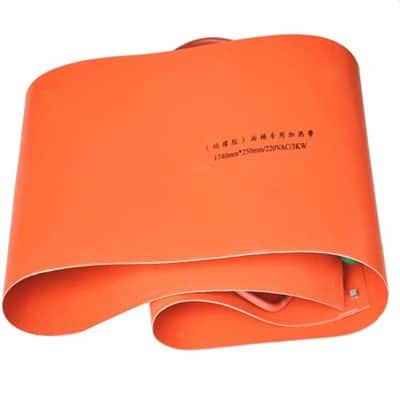
THIN, LIGHT & UNIFORM
Temperature Controller Flexible Heater
Temperature Controller Flexible Heater by LICHENGDA. Surface contact and flexible circuit layout, configuration details and made-to-drawing quotation for surface warming and compact equipment assemblies.
Product image gallery (4)
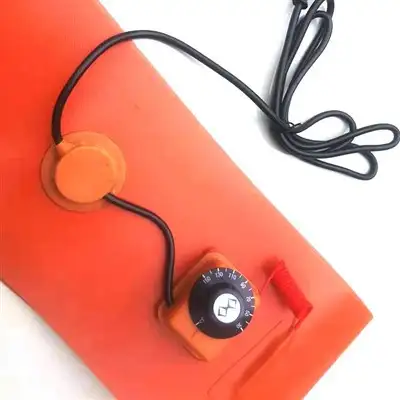
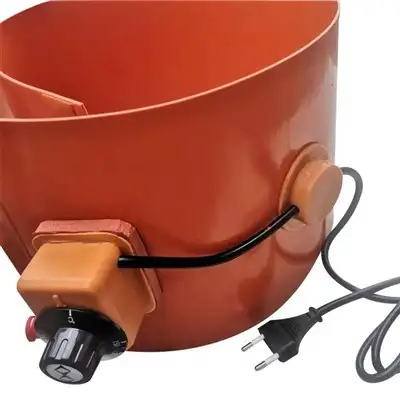
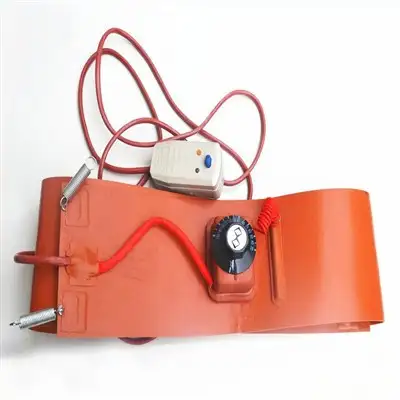
PRODUCT ENGINEERING
Surface contact and flexible circuit layout
Temperature Controller Flexible Heater: Define the heated outline, substrate material and mounting method. Continuous contact supports uniform heat transfer; air pockets, folds or partial bonding can produce local hot spots.
Keep the active circuit clear of fasteners and sharp bends. Confirm adhesive compatibility, lead strain relief and sensor location at the substrate rather than selecting power from pad area alone.
For Temperature Controller Flexible Heater, request the missing voltage, power and finished dimensions before calculating current, selecting a supply or fixing the mounting pattern.
The archived configuration for Temperature Controller Flexible Heater lists Power density: 0.10~1.50w/cm²; External insulation material: Silicone glass fiber; Voltage: 3.7-660V. Treat these as reference options and reconcile them with the named configuration and installation drawing before quotation.
For Temperature Controller Flexible Heater, send the supply, continuous and peak temperature, mounting drawing, lead exit and quantity. Include the heated medium and control method so the quoted configuration can be checked against the actual duty.
Application and reference configuration
Surface warming and compact equipment assemblies. The final suitability of Temperature Controller Flexible Heater depends on the assembled equipment and agreed operating conditions.
Archived figures below describe reference options or a product series. Confirm the exact model specification in the quotation.
| Temperature range | -40.00~180.00°C |
|---|---|
| Electric resistance precision | ±10%( bigger value selected) |
| Power density | 0.10~1.50w/cm² |
| Mechanical pressure | 100.00kg/cm² |
| Minimum bending radius | 3.20mm |
| External insulation material | Silicone glass fiber |
| Internal heating element | Ni-Cr alloy |
| Thickness | 1.5mm-3mm(With 3M) |
| Voltage | 3.7-660V |
ARCHIVED PRODUCT INFORMATION
Description
silicone heater is a flexible heating element made of a silicone rubber material that is designed to provide uniform and efficient heat transfer in a wide range of applications. The heating element consists of a resistance wire, such as nickel-chromium or copper-nickel, that is embedded in a silicone rubber substrate, which is then bonded to a thin layer of fiberglass or other insulating material.
Silicone heaters are known for their flexibility and durability, as well as their ability to withstand high temperatures and harsh environments. They are typically used in applications where a flat or curved surface needs to be heated, such as in industrial processes, medical equipment, and aerospace applications.
One of the advantages of silicone heaters is their ability to conform to irregular surfaces, which makes them ideal for use in equipment that has complex geometries or tight spaces. They can also be easily customized to fit specific shapes and sizes, which allows for a high degree of design flexibility.
Silicone heaters are available in a range of power ratings, from a few watts to several kilowatts, and can be designed to operate at different voltages and frequencies. They can also be equipped with temperature sensors and other control devices to ensure precise temperature control and protection against overheating.
Overall, silicone heaters are a reliable and cost-effective solution for a wide range of heating applications, offering excellent thermal stability, resistance to moisture and chemicals, and long service life.
| Temperature range | -40.00~180.00°C |
| Electric resistance precision | ±10%( bigger value selected) |
| Power density | 0.10~1.50w/cm² |
| Mechanical pressure | 100.00kg/cm² |
| Minimum bending radius | 3.20mm |
| External insulation material | Silicone glass fiber |
| Internal heating element | Ni-Cr alloy |
| Thickness | 1.5mm-3mm(With 3M) |
| Voltage | 3.7-660V |
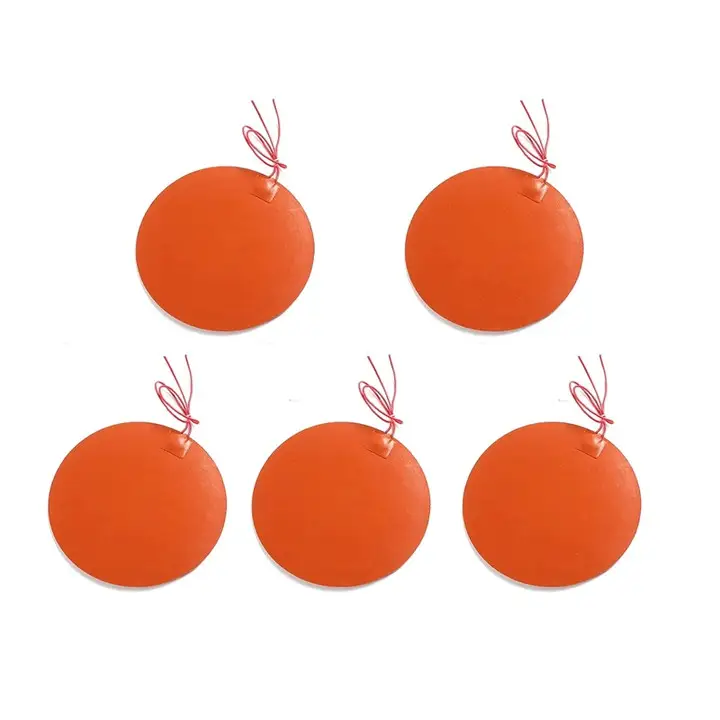
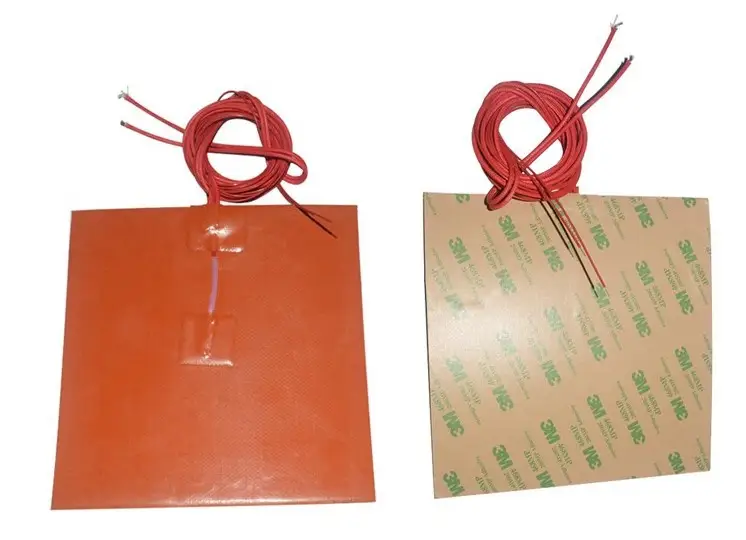
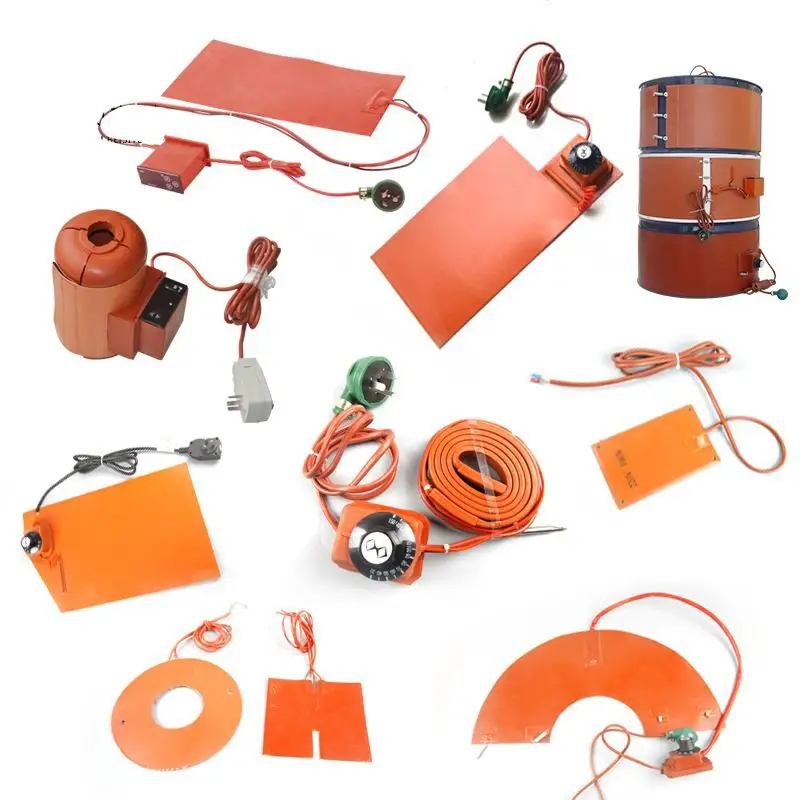
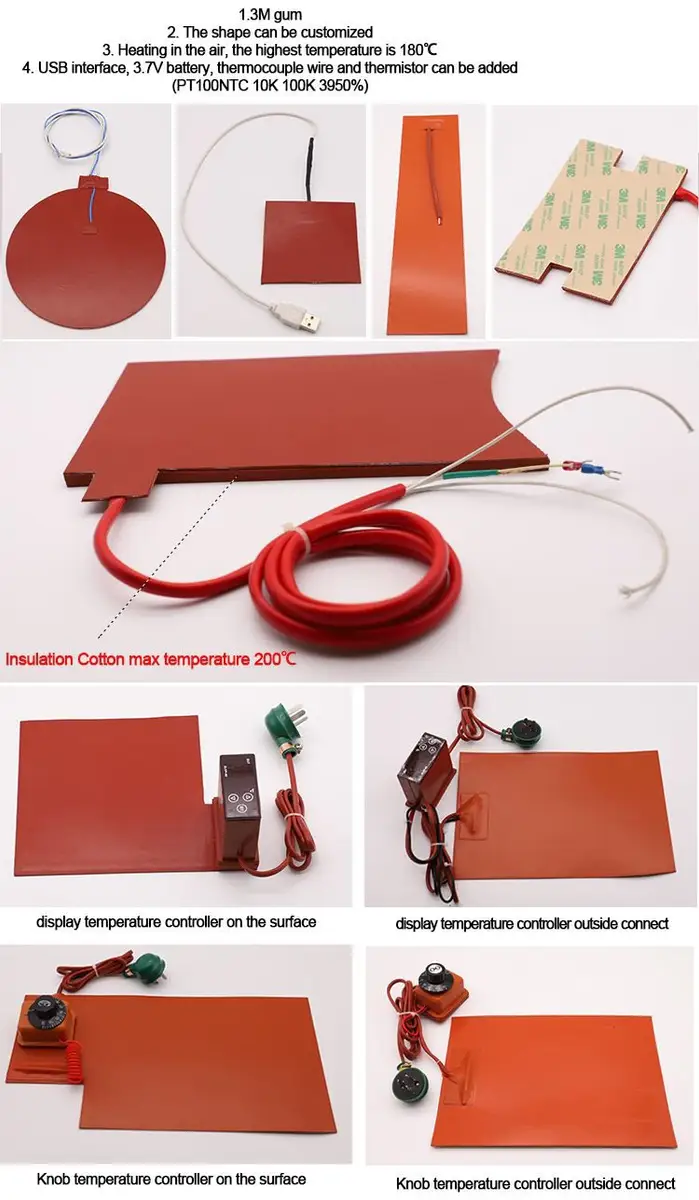
Product Advantage
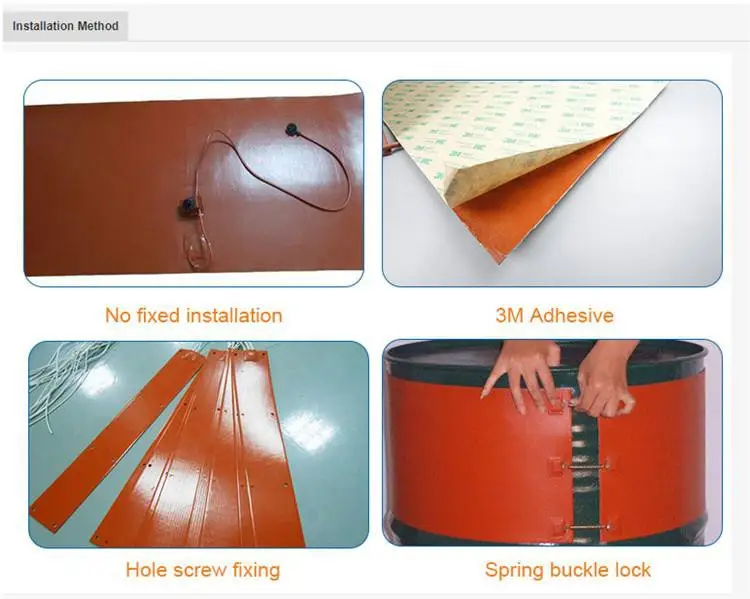
1.3M gum
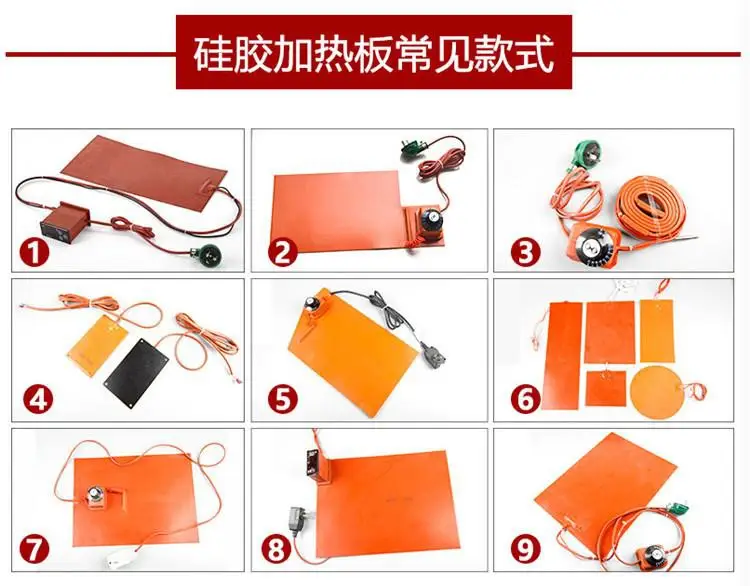
2. The shape can be customized
3. Heating in the air, the highest temperature is 180℃
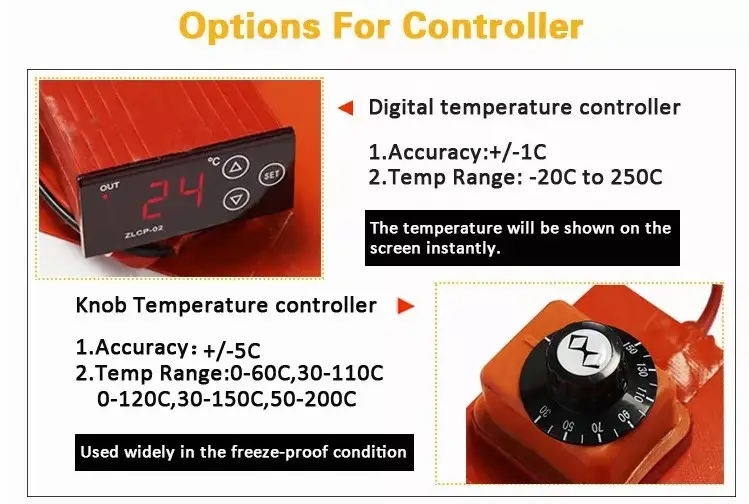
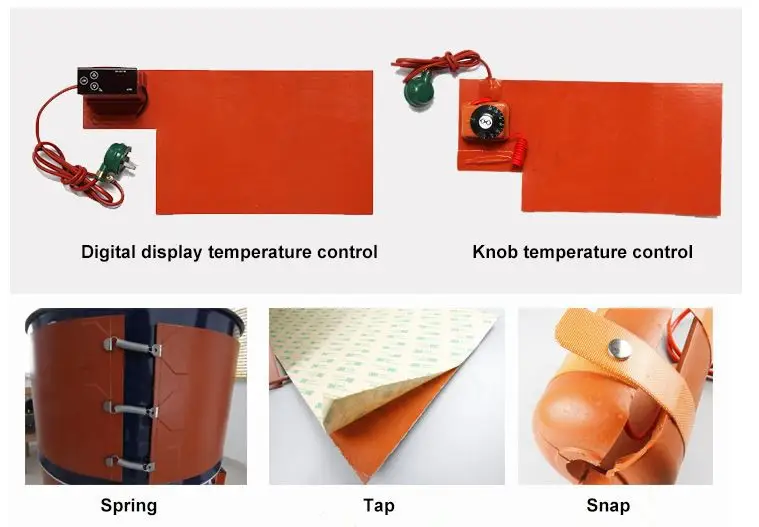
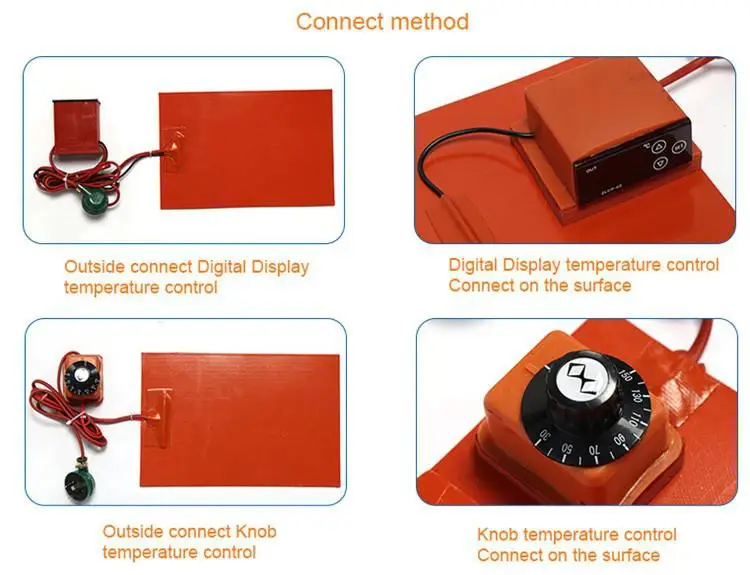
4. USB interface, 3.7V battery, thermocouple wire and thermistor can be added
(PT100 NTC 10K 100K 3950%)
Application
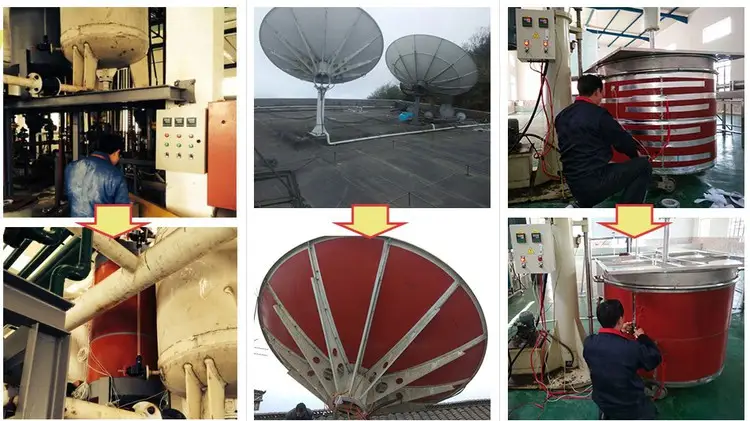
1. Industrial equipment, pipelines, barrels, tanks, etc.
2. Outdoors telecommunication equipment
3. Medical equipment and devices
4. Outdoors electronic devices
5. Thermal imaging of imaging equipment
6. Case protection under cold and moist environment
7. Industrial ovens and thermal processing equipment
8. Ventilator supports
9. Laminating equipment
10. Vessel
Is silicone good for heating?
Yes, silicone is an excellent material for heating applications due to its unique properties and characteristics that make it well-suited for this purpose. Here are some reasons why silicone is considered a good material for heating:
Temperature Resistance: Silicone has excellent thermal stability and can withstand a wide range of temperatures, typically ranging from -60°C to 200°C (-76°F to 392°F) or even higher in some specialized formulations. This high-temperature resistance makes silicone suitable for both high-temperature and low-temperature heating applications.
Rapid Heating and Cooling: Silicone has a relatively low thermal mass, which means it heats up and cools down quickly. This property makes silicone heaters responsive and efficient in transferring heat to the target surface.
Flexibility and Conformability: Silicone is a flexible and elastic material, allowing it to conform to various shapes and surfaces. This property makes silicone heaters versatile and suitable for applications where conformability is necessary, such as wrapping around curved or irregularly shaped objects.
Uniform Heat Distribution: Silicone rubber heaters are designed with embedded heating elements, which ensures uniform heat distribution across the heater's surface. This even heating provides consistent temperatures and prevents localized hotspots.
Chemical Resistance: Silicone exhibits good resistance to a wide range of chemicals, making it suitable for applications where the heater may come into contact with various substances.
Electrical Insulation: Silicone is an excellent electrical insulator, which is crucial for ensuring safe and reliable heating applications.
Because of these properties, silicone is widely used in various heating applications, including silicone rubber heaters for industrial and commercial processes, drum heaters for heating drum contents, flexible heating blankets, heated hoses, and more. Additionally, silicone heating elements are commonly used in various household products like heated blankets, heating pads, and kitchen appliances.
However, it's essential to consider the specific requirements of the heating application and choose the appropriate silicone heater or heating element that matches the temperature, power, and other specifications needed for safe and effective heating.
Company Information
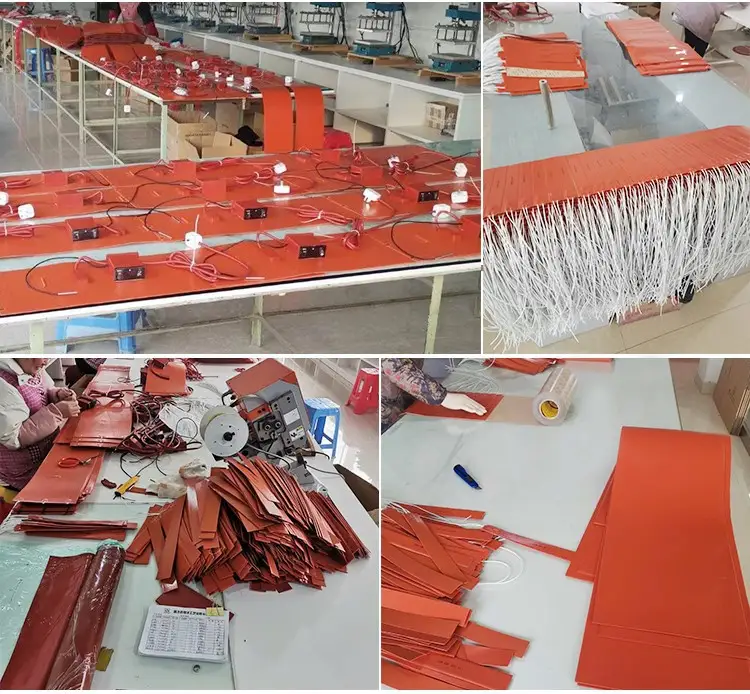
Xiamen Lichengda Precision Manufacturing Co., Ltd. was founded in 2003, it has a registered capital of 10 million and 100 employees. The plant covers an area of 2000 m² and owns 20+ advanced production equipment imported from home and abroad.
Main products: industrial heater elements and temperature measuring instrument.
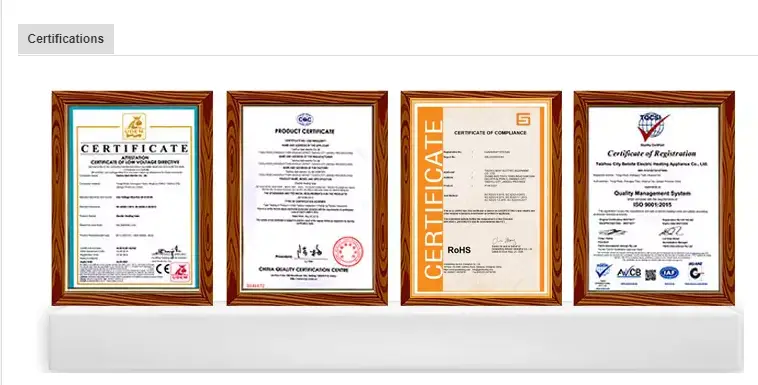
Documentation: confirm the CE, RoHS, quality-system and test documents applicable to the quoted product and order.
Enterprise philosophy: Customer and Quality First, Product quality is the vitality of an enterprise.
Company Profile

Silicone heaters are flexible and durable heating elements that are commonly used in various industries due to their unique properties. They consist of a silicone rubber-based heating element, which is sandwiched between layers of fiberglass-reinforced silicone rubber or other insulating materials.
Here are some common applications of silicone heaters:
1:Industrial Heating: Silicone heaters are widely used in industrial processes to heat liquids, gases, and equipment. They can be custom-designed to fit specific shapes and sizes, making them ideal for heating tanks, pipes, and vessels.
2:Medical Equipment: Silicone heaters are used in medical devices like IV fluid warmers, blood analyzers, and diagnostic equipment to maintain a stable and controlled temperature.
Aerospace: Silicone heaters are employed in the aerospace industry for de-icing purposes on aircraft wings, engine inlets, and other critical components.
3:Food and Beverage Industry: In the food industry, silicone heaters are used in applications like heated food delivery systems, heated platens, and cooking equipment.
4:3D Printers: Silicone heaters are used in 3D printers to ensure the print bed reaches and maintains the required temperature for optimal printing conditions.
5:Automotive: In vehicles, silicone heaters are used for applications like heated seats, windshield defrosters, and mirror defoggers.
6:Electronics: Silicone heaters are utilized in various electronic devices and equipment to provide consistent and controlled heating.
7:Laboratory and Research: Silicone heaters are used in laboratory equipment like hot plates and incubators for precise temperature control.
8:Oil and Gas Industry: Silicone heaters are used for heating pipes, valves, and other components in the oil and gas industry to prevent freezing and maintain fluid flow.
The flexibility and customization options of silicone heaters make them suitable for a wide range of applications across different industries. Their ability to withstand harsh environments and resistance to moisture and chemicals further enhances their usability in various settings.
Hot Tags: temperature controller flexible heater, China, manufacturers, suppliers, factory, wholesale, customized, cheap, in stock, free sample, waterproof electric immersion heaters china, flange immersion tubular heater element, 220v igniter pellet cartridge heater, Micro Cartridge Heater, water boiler immersion heater custom, water immersion heater flange heater
Specifications and availability vary by configuration. Confirm dimensions, materials and electrical or measurement ratings in your quotation.
ENGINEER-REVIEWED QUOTATION