
Air path and temperature rise
Provide duct dimensions, flow rate or air velocity, inlet temperature and the required outlet condition. Include filters, recirculation and flow changes during operation.
INDUSTRIAL COMPONENTS · CUSTOM SPECIFICATIONS
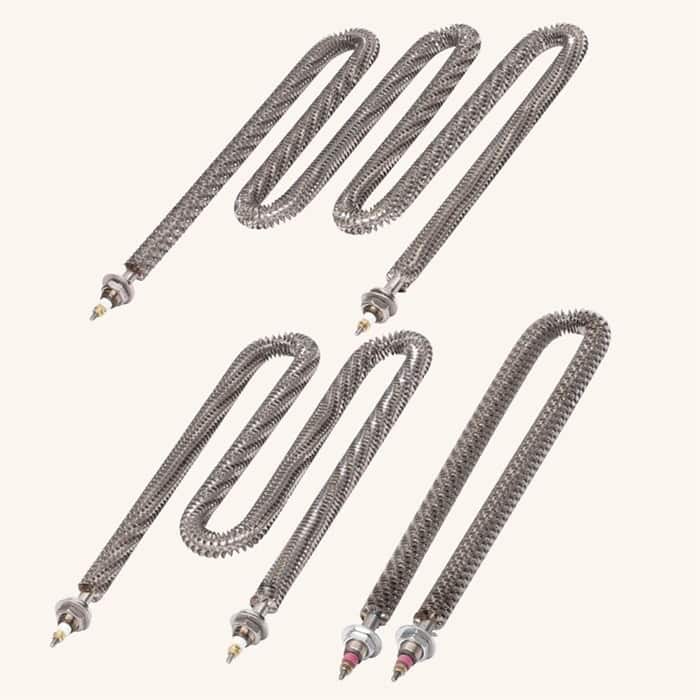
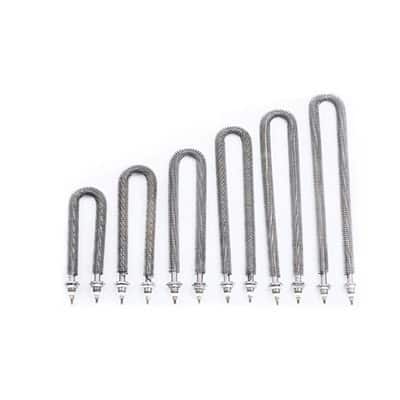
Finned tubular heaters use fins around a tubular heating element to increase the heat-transfer area exposed to air. A useful specification defines the air path and operating duty alongside the element shape and electrical rating.
Provide duct dimensions, flow rate or air velocity, inlet temperature and the required outlet condition. Include filters, recirculation and flow changes during operation.
Show tube diameter, element outline, heated length, terminal zones and supports. Allow clearance between fins and adjacent wiring, guards or equipment surfaces.
Identify the temperature sensor and independent limiting arrangement. Describe how the equipment removes heater power if the fan stops or airflow falls.
Power and surface loading must be reviewed against airflow and the maximum sheath and fin temperatures for the assembly. This selection covers finned tubular configurations; finned strip elements use a different base construction.
COMPARE EXISTING CONFIGURATIONS
Choose the tube outline, fin envelope and mounting for the available air path. Power references must be reviewed with airflow, inlet conditions, sensing and protection.
| Selection | What to specify | View catalog configurations |
|---|---|---|
| General finned tubular references | Provide the tube path, supports, cold ends and terminals. | |
| 3 kW named element | Confirm supply and required temperature rise for the actual airflow. | |
| Multiple named power references | Select one required power and supply combination for quotation. | |
| U-shaped finned assembly | Dimension leg spacing, bend outline and fin clearances. | |
| Air-heating layout | Identify the air path, feedback point and reduced-flow protection. |
Send the selected catalog reference with your drawing and operating requirements. Final construction, ratings and availability are agreed in the quotation.
CATALOG CONFIGURATIONS
These 12 selected configurations are a starting point for specification review. Confirm the exact construction, ratings and availability in your quotation.
Review the configuration and confirm your required specification.
View product →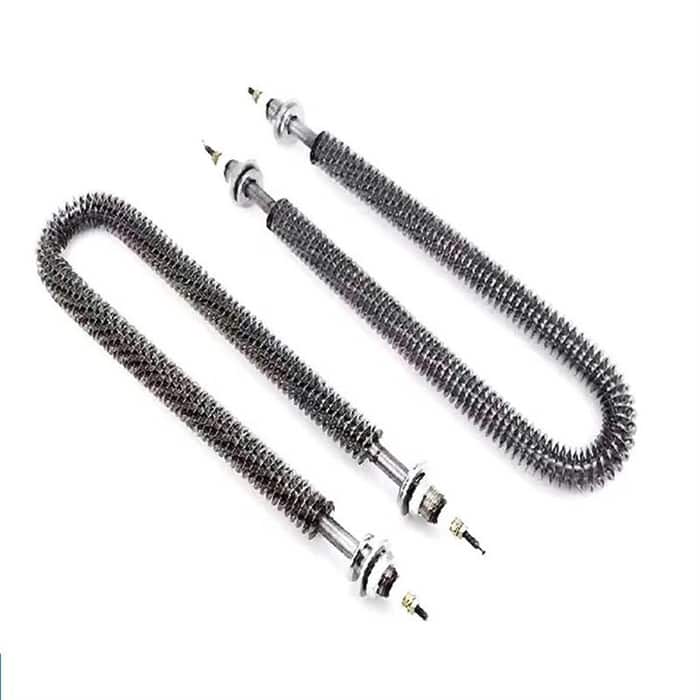
Review the configuration and confirm your required specification.
View product →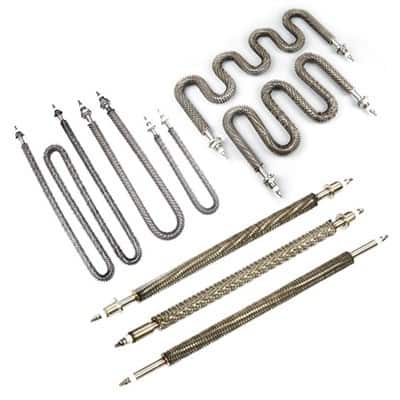
Review the configuration and confirm your required specification.
View product →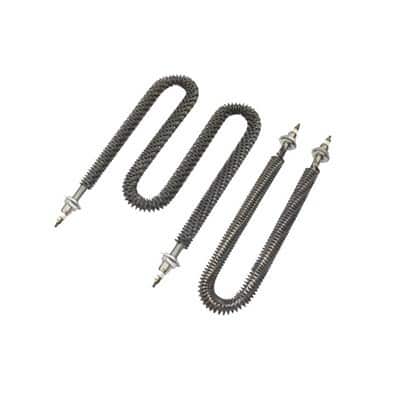
Review the configuration and confirm your required specification.
View product →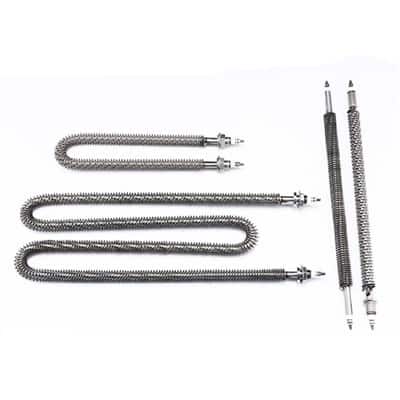
Review the configuration and confirm your required specification.
View product →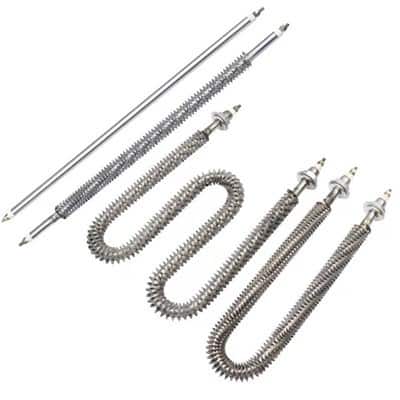
Review the configuration and confirm your required specification.
View product →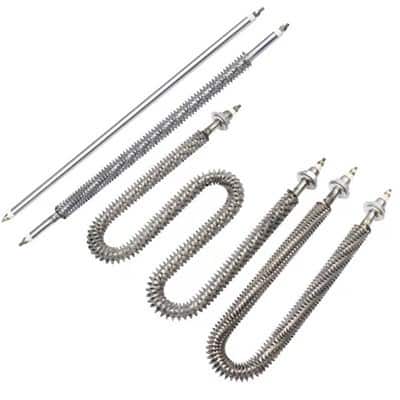
Review the configuration and confirm your required specification.
View product →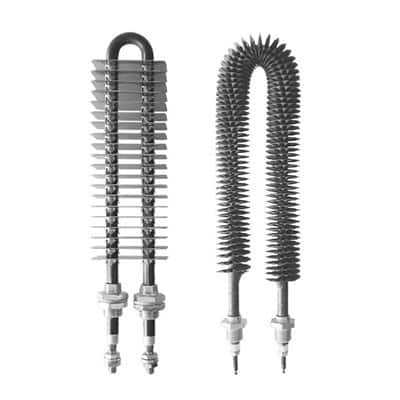
Review the configuration and confirm your required specification.
View product →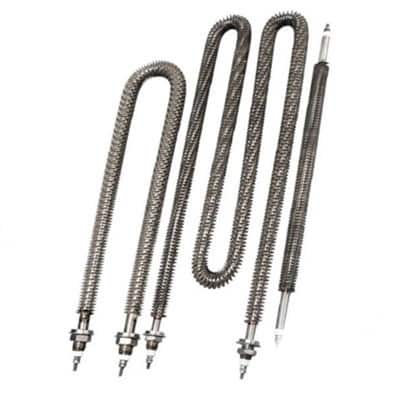
Review the configuration and confirm your required specification.
View product →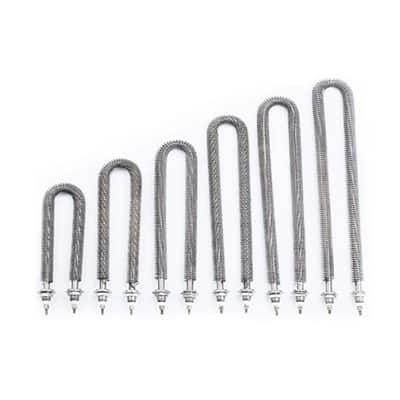
Review the configuration and confirm your required specification.
View product →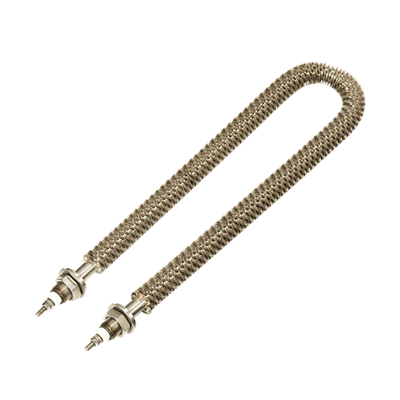
Review the configuration and confirm your required specification.
View product →SPECIFICATION QUESTIONS
Wattage does not define the air temperature rise or element temperature. Airflow, inlet conditions, geometry, losses and control are also needed for review.
Show the available envelope, airflow direction, tube path, fin clearance, mounting points and terminal position. Include access for installation and service.
State every operating condition, including startup and fan failure. A forced-air design must be reviewed for reduced-flow conditions and appropriate protective controls before use.
ENGINEERING QUOTATION
Share what you know now; missing details can be discussed with our team. A drawing or photo can be attached after your WhatsApp or email app opens.
Preparing a message opens your own WhatsApp or email app. You decide whether to send it.